 admin
The Hidden Cost of Seasonal Lighting Swaps
Most people assume that outdoor lighting is a seasonal chore, something you climb a ladder for twice a year and take down once the holidays end or the summer heat sets in. That assumption holds up fine for a single string of bulbs on a porch railing, but it falls apart once you look at how many Dallas homeowners are rebuying the same strands, timers, and clips every single year. The real pattern isn’t seasonal maintenance at all. It’s a slow accumulation of wasted money, faded plastic housings, and sun-cracked wiring that nobody budgeted for when they bought that first box of lights at a hardware store.
Dallas summers are brutal on exposed electronics. UV exposure, heat cycling, and sudden thunderstorms degrade standard consumer-grade lighting products far faster than most homeowners expect, often within a single season. The bulbs dim unevenly, the wiring insulation gets brittle, and connectors corrode where moisture sneaks in during storms. By the third or fourth replacement cycle, many families have spent more on temporary lighting than a permanent system would have cost upfront, without ever accounting for the hours spent installing and removing it.
Rethinking Outdoor Lighting as Infrastructure, Not Decoration
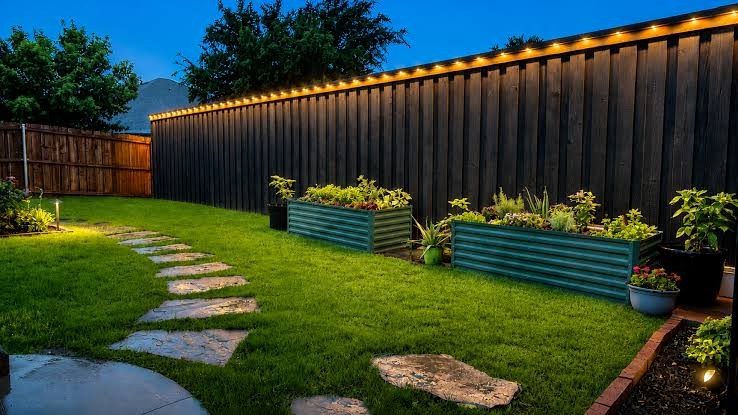
The shift in thinking starts when homeowners stop treating outdoor lighting as a decorative add-on and start treating it as part of the house’s infrastructure, the same category as gutters or exterior paint. That reframing is why more Dallas properties are moving toward permanent outdoor lighting solutions instead of cycling through disposable string lights every year. A system installed once, rated for the regional climate, and wired into the home’s electrical setup eliminates the annual ladder trips and the recurring hardware store runs entirely.
This kind of installation typically involves low-voltage fixtures tucked under roof eaves or along soffits, controlled through an app or smart hub rather than a plug-in timer. The fixtures themselves are built with sealed housings designed to handle Texas heat and sudden rain without degrading the way consumer strands do. Homeowners can change colors for a holiday, a birthday, or a Cowboys game, then switch back to a neutral white for everyday use without touching a single bulb. The labor cost is front-loaded into the installation rather than repeated every year, which changes the math considerably once you look at a five-year window instead of a single season.
What to Check Before Signing an Installation Contract
Not every lighting company offering permanent fixtures is working with the same quality of materials or installation standards, so a few specifics are worth confirming before signing anything. Ask about the voltage system being used, since low-voltage setups are generally safer and more energy efficient for continuous outdoor operation than line-voltage alternatives. Find out whether the fixtures carry a weatherproof rating suited for the local climate, and whether the installer backs the wiring and connectors with a written warranty rather than just the bulbs themselves.
Energy use matters too, particularly since these systems often run nightly for hours at a stretch across an entire roofline. Checking a fixture’s efficiency rating against ENERGY STAR lighting guidance gives homeowners a reliable benchmark for comparing wattage and expected lifespan across different brands before committing to one. A system that looks similar on a sales sheet can differ substantially in actual energy draw once it’s running every evening for a full year.
It also helps to ask how the control system handles software updates and whether the app requires an ongoing subscription, since some permanent systems tie basic functionality to recurring fees. A reputable local installer should walk through maintenance expectations honestly, including how often fixtures need cleaning and what a typical service call costs if something fails. Getting these answers upfront prevents the same cycle of surprise costs that made disposable string lights so frustrating in the first place.