 admin
admin Introduction
Furniture plays a crucial role in shaping how we live, work, and relax. The right furniture enhances comfort, functionality, and aesthetics, while poor choices can make even beautiful spaces feel impractical. Understanding furniture basics helps homeowners make informed decisions that balance style, budget, and durability.
Understanding Your Furniture Needs
Before buying furniture, assess your lifestyle and space.
Questions to Ask Before Buying
-
How much space is available?
-
How will the furniture be used daily?
-
Is durability or aesthetics the priority?
Clear answers prevent costly mistakes.
Choosing Furniture by Room
Different rooms require different furniture solutions.
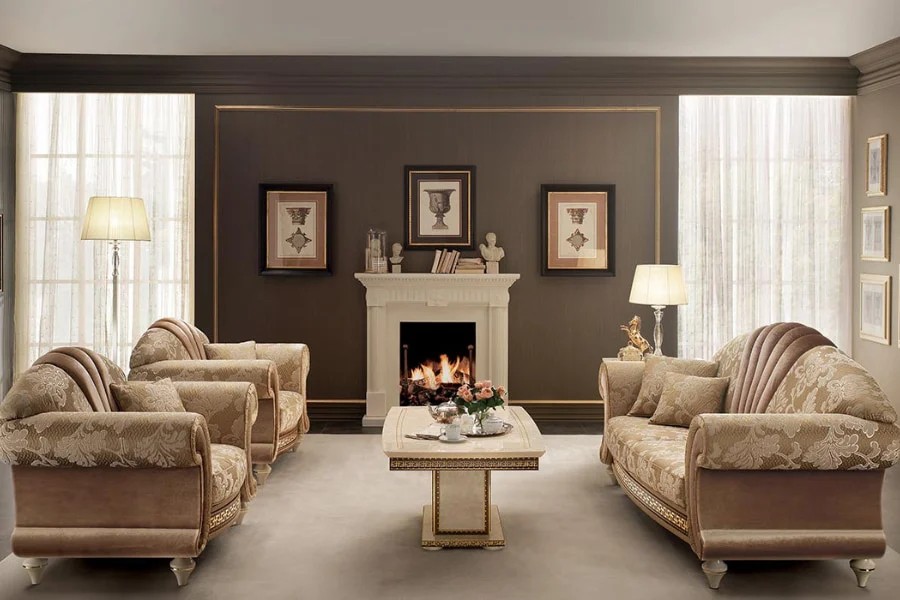
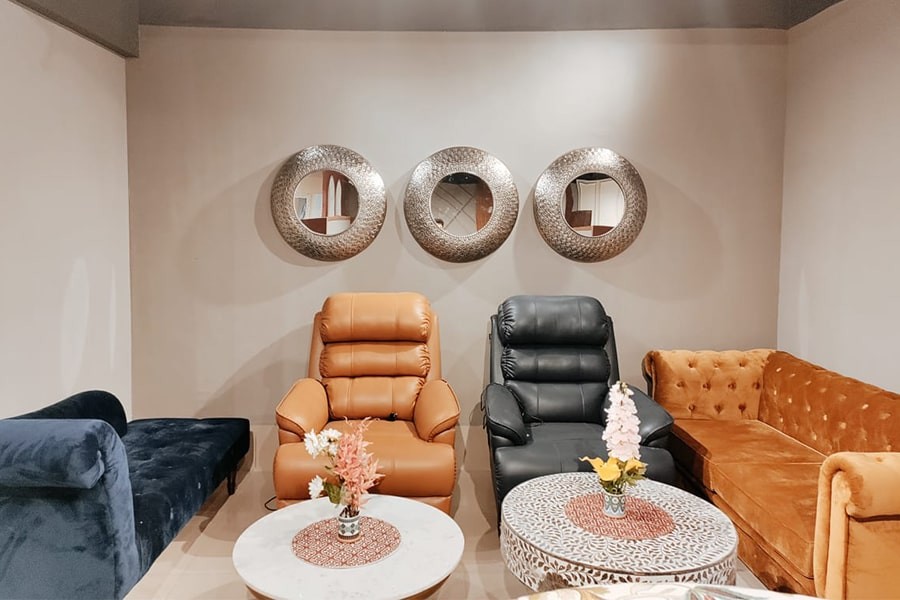
Living Room Furniture Essentials
-
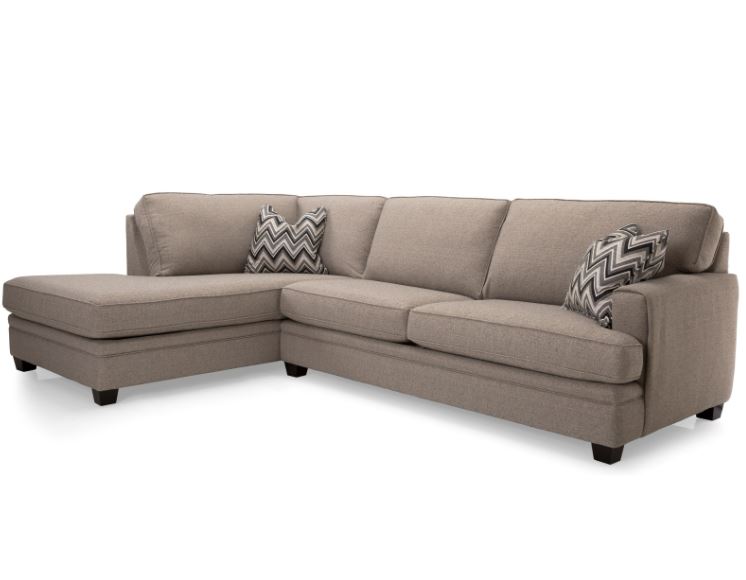
Comfortable sofas
-
Functional coffee tables
-
Storage-friendly TV units
Bedroom Furniture Must-Haves
-
Supportive beds
-
Spacious wardrobes
-
Practical bedside tables
Materials and Durability
Material choice directly impacts longevity.
Common Furniture Materials
-
Solid wood for durability
-
Engineered wood for affordability
-
Metal for modern designs
-
Upholstered fabrics for comfort
Furniture Maintenance Tips
Simple care extends furniture life.
Maintenance Best Practices
-
Regular dusting
-
Using coasters and mats
-
Tightening joints periodically
Budget-Friendly Furniture Shopping
Quality furniture doesn’t always mean expensive.
Smart Shopping Tips
-
Compare materials, not just prices
-
Invest more in frequently used items
-
Look for modular furniture
Conclusion
Choosing furniture wisely enhances daily living. With thoughtful planning and smart material choices, homeowners can create functional, stylish interiors that last for years.