 admin
admin In today’s world, sustainability has moved from being a niche preference to a mainstream priority. Homeowners and designers alike are seeking ways to reduce environmental impact without sacrificing style or comfort. One area where eco-conscious choices can make a significant difference is in sofa upholstery. Eco-friendly materials are not only better for the planet but also offer durability, comfort, and aesthetic appeal, making them a win-win for any living space.
Why Choose Eco-Friendly Sofa Upholstery?
Sofa upholstery is one of the most noticeable elements in a living room. Traditionally, it has relied on synthetic materials, chemical dyes, and processes that are harmful to the environment. By switching to sustainable fabrics, you reduce your carbon footprint and support ethical production practices.
Eco-friendly sofa upholstery materials often use natural fibers, recycled content, and low-impact dyes, ensuring that the furniture you bring into your home is as gentle on the planet as it is on your senses. In addition, these materials are typically hypoallergenic, breathable, and long-lasting, providing comfort and safety for families.
Top Sustainable Materials for Sofa Upholstery
Organic Cotton
Organic cotton is grown without synthetic pesticides or fertilizers, making it a safer and greener choice. It’s soft, breathable, and durable, making it ideal for sofas that see daily use. The versatility of organic cotton means it comes in a wide range of colors and textures, from sleek twills to plush velvets, so you can find an option that fits any décor.
Hemp
Hemp is a powerhouse in eco-friendly upholstery. It requires minimal water, grows quickly, and doesn’t deplete soil nutrients. Hemp fabric is naturally resistant to mold and pests, making it both practical and durable. Modern processing techniques allow hemp to be blended with cotton or linen for a softer, more luxurious finish while retaining its eco-friendly credentials.
Recycled Polyester
While polyester is typically petroleum-based, recycled polyester transforms plastic waste into a usable, high-performance fabric. This reduces landfill waste and lowers reliance on virgin materials. Recycled polyester fabrics are often treated to be soft, fade-resistant, and easy to clean, offering the convenience of synthetic fibers without the environmental guilt.
Linen
Linen, derived from flax plants, is biodegradable, durable, and naturally moisture-wicking. Its slightly textured surface adds a sophisticated touch to any sofa. Linen ages gracefully, developing a relaxed, lived-in look over time, making it perfect for those who want timeless style with minimal environmental impact.
Bamboo Fabric
Bamboo grows rapidly without pesticides and has a small water footprint. Its fibers can be processed into soft, silky fabrics that are naturally antimicrobial and hypoallergenic. Bamboo blends for upholstery are increasingly popular for their luxurious feel and eco-friendly nature.
Benefits Beyond Sustainability
Choosing eco-friendly sofa upholstery doesn’t mean compromising on comfort or style. These materials often offer unique textures, soft finishes, and exceptional durability. Many sustainable fabrics are also stain-resistant, fade-resistant, and breathable, which enhances the long-term usability of your sofa.
In addition, eco-friendly upholstery supports ethical production standards. Many manufacturers follow fair-trade practices, ensuring workers are paid fairly and work in safe conditions. By choosing sustainable materials, you’re supporting an entire ecosystem of responsible design and manufacturing.
Maintenance Tips for Eco-Friendly Sofa Upholstery
Even sustainable fabrics need proper care to maximize longevity. Here are some tips:
Regular Cleaning: Vacuum your sofa regularly to remove dust and debris. For fabrics like organic cotton or linen, use a gentle upholstery cleaner when needed.
Spot Treatment: Treat spills immediately to prevent staining. Many eco-friendly fabrics are naturally resistant to stains but still benefit from prompt attention.
Rotate Cushions: To prevent uneven wear, rotate cushions periodically. This keeps the fabric looking fresh and maintains comfort.
Avoid Harsh Chemicals: Stick to eco-friendly cleaning solutions to protect the fabric and your indoor air quality.
Styling Eco-Friendly Sofas
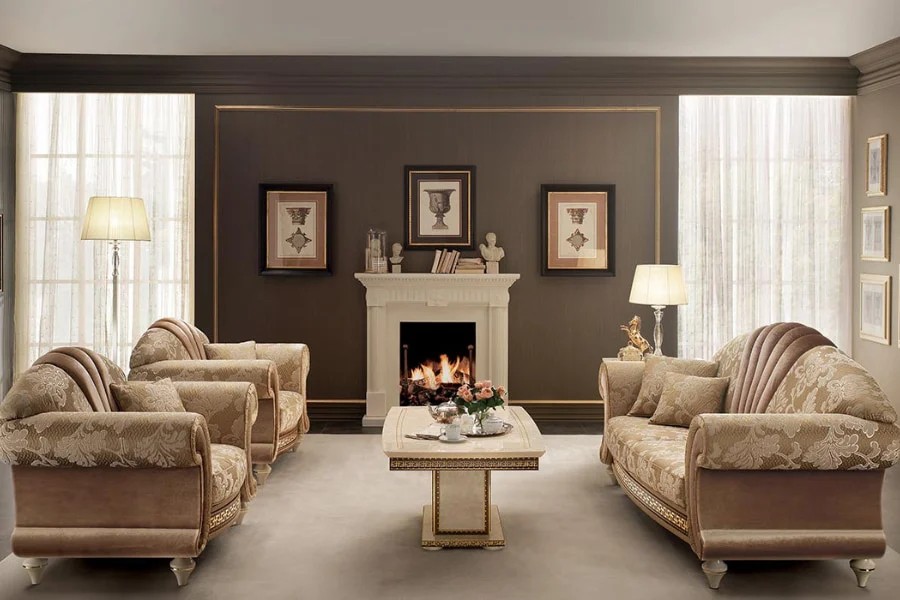
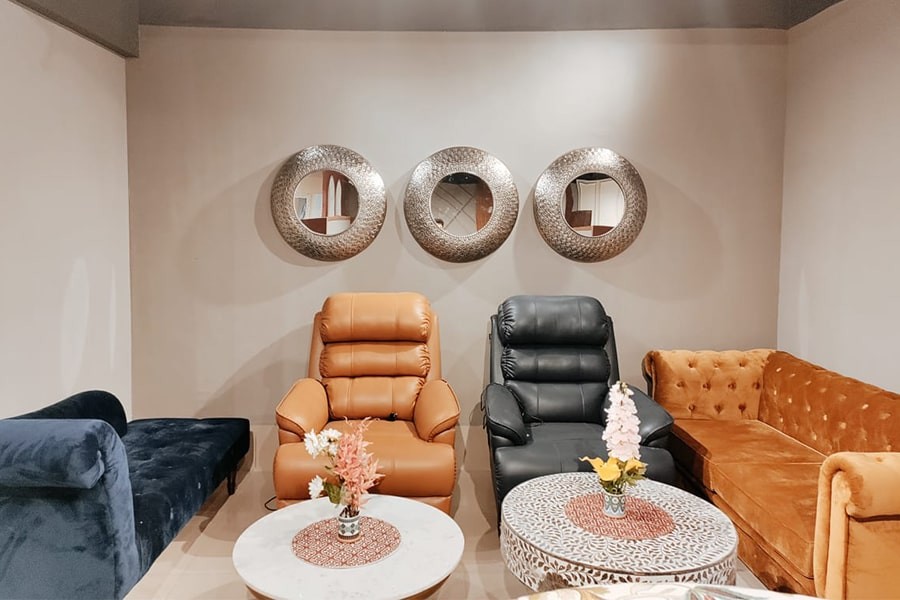
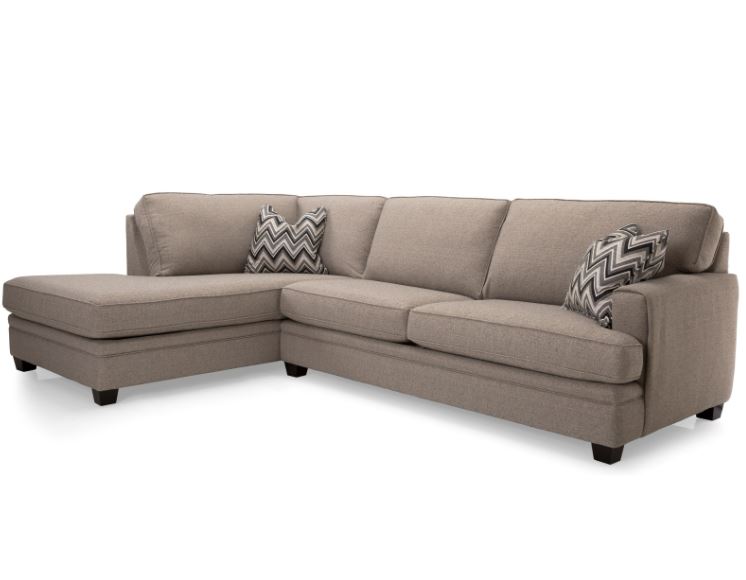
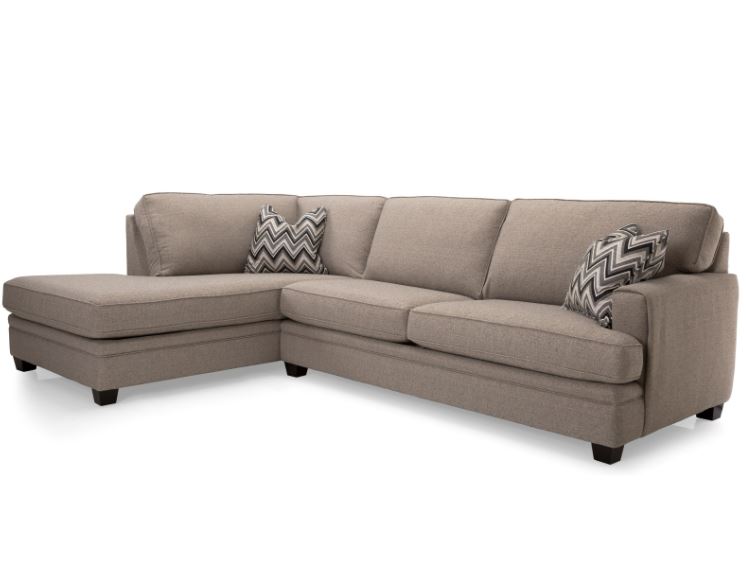
Eco-conscious sofas don’t have to look “green” in the literal sense. With fabrics available in vibrant colors, neutral tones, and elegant textures, these sofas can suit any interior design style—from modern minimalism to cozy bohemian retreats. Pair sustainable upholstery with natural wood, recycled metal, or organic textiles to create a cohesive, environmentally-friendly living space.
Final Thoughts
Sustainable sofa upholstery is more than a trend; it’s a thoughtful choice that balances comfort, style, and environmental responsibility. From organic cotton and hemp to recycled polyester and bamboo fabrics, there are plenty of eco-friendly options that don’t compromise on quality or aesthetics.
By choosing sustainable materials, homeowners can enjoy sofas that are soft, durable, and stylish while making a positive impact on the planet. Whether you’re furnishing a modern apartment, a cozy family room, or a high-end office space, eco-friendly sofa upholstery Abu Dhabi proves that comfort and sustainability can go hand in hand.
Investing in eco-friendly fabrics is not just a purchase—it’s a statement. It says you care about your home, your health, and the world we share, all while enjoying the ultimate in comfort and design.