 admin
admin Introduction
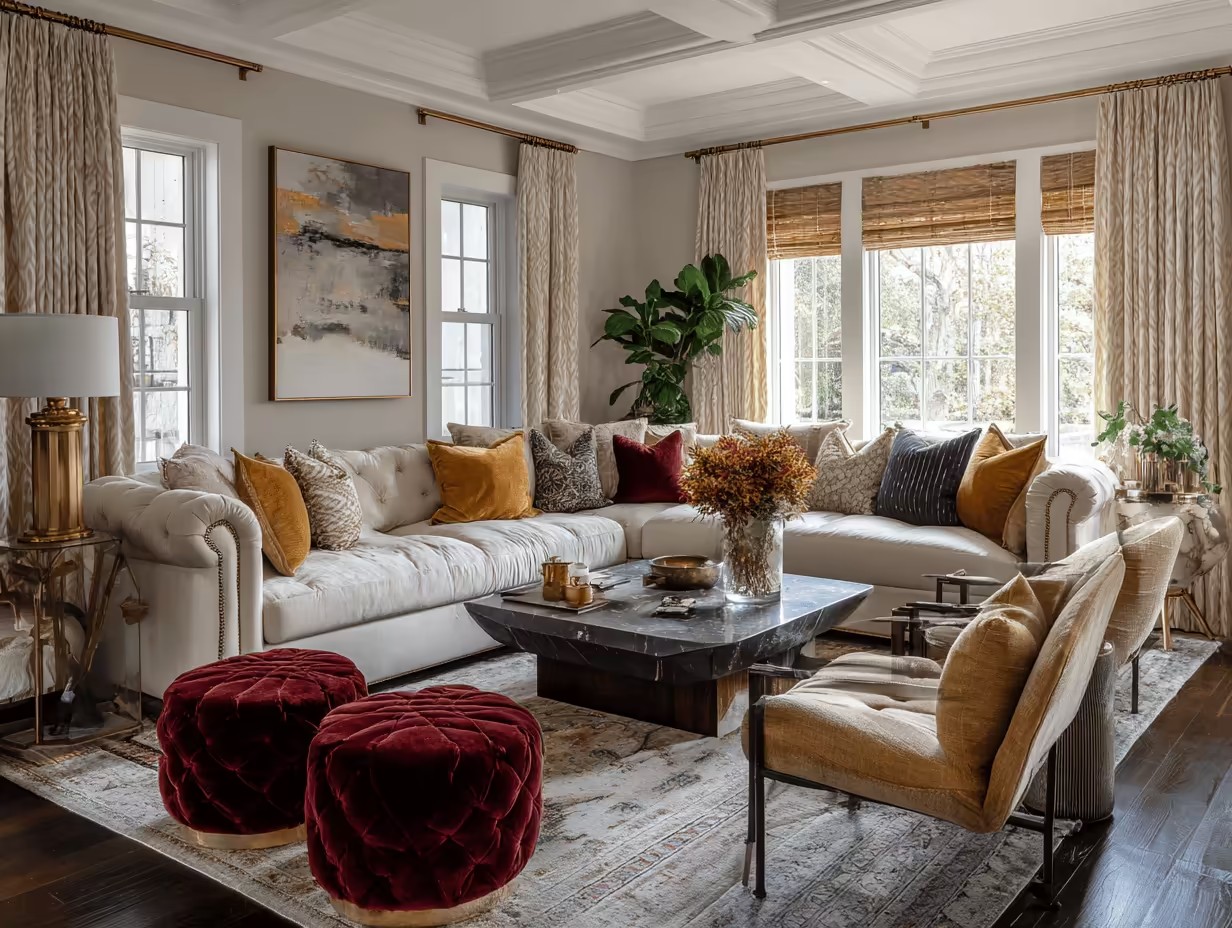
Interior designers are no longer just decorators—they are lifestyle architects. In modern homes, design reflects values, routines, and aspirations. From minimal urban apartments to expressive family homes, interior design has become a powerful tool for shaping how people live and feel.
Interior Design as Self-Expression
Design choices tell personal stories.
Emotional Impact of Interior Design
-
Comfort and belonging
-
Creativity and inspiration
-
Mental well-being
A well-designed space supports both mood and productivity.
Trends Influencing Interior Designers
Design evolves with lifestyle changes.
Contemporary Interior Design Trends
-
Open-concept layouts
-
Natural textures and materials
-
Soft, neutral color palettes
Multi-Functional Interiors
Homes are expected to adapt.
Flexible Design Solutions
-
Home offices
-
Convertible living spaces
-
Modular furniture
The Designer-Client Collaboration
Great interiors result from shared vision.
Importance of Collaboration
-
Clear communication
-
Lifestyle understanding
-
Design trust
Conclusion
Interior designers shape more than interiors—they influence how people experience their homes. Through thoughtful design, they create spaces that feel authentic, functional, and deeply personal.